Crime, Punishment, and the NYC Turnstile
Thoughts on Dostoevsky, New York City, and what happens when everyday moral norms erode before anyone notices.
While reading Crime and Punishment, I’ve found myself thinking less about Raskolnikov as an individual and more about the systems around him. His crime is extreme, but the more unsettling question Dostoevsky raises is quieter: what happens when moral norms erode before enforcement can respond?
I think about this often while riding the subway in New York.
Turnstile hopping has become ordinary. I see it daily—people slipping through, jumping over, or pushing emergency exits open without hesitation. New measures have been introduced to stop it, but they feel reactive, almost symbolic. The behavior continues because the norm has already shifted.
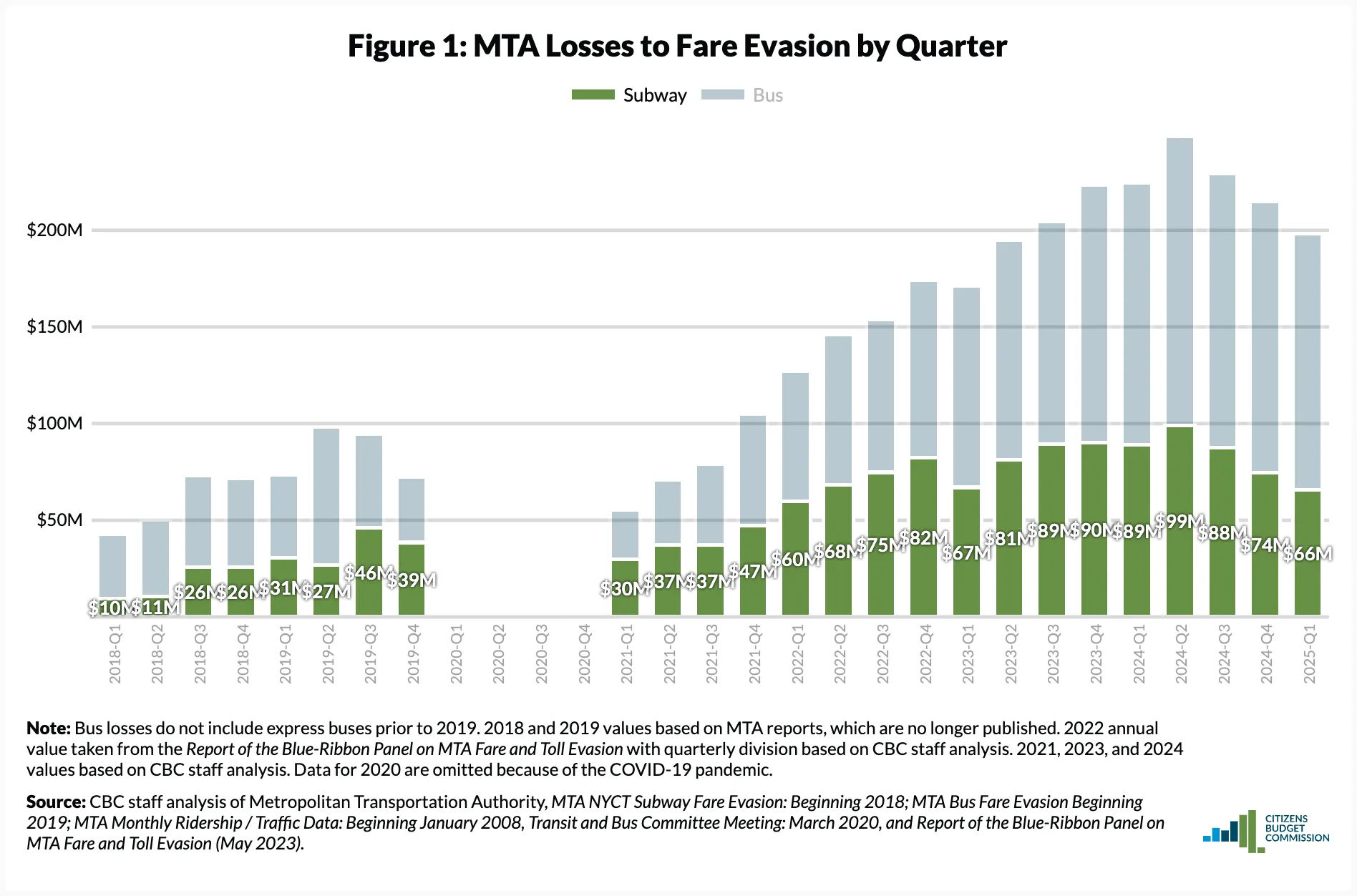
Source: CBCNY
That raises a simple question: what if everyone did it?
If fare evasion became universal, the system wouldn’t respond with moral appeals. It would respond with force—harsher fines, more surveillance, more policing, perhaps new technology designed to make evasion nearly impossible. Not because the city suddenly became cruel, but because systems harden when trust disappears.
This is where Dostoevsky feels modern.
Raskolnikov doesn’t begin as a villain. He begins by granting himself an exception. He convinces himself that the rules are unjust, that the system is corrupt, and that his actions are therefore permissible. What condemns him isn’t simply the act, but the logic that justification can replace responsibility.
The parallel isn’t the crime—it’s the rationalization.
When enough individuals decide that rules only apply when they feel legitimate, enforcement becomes the only remaining tool. Moral norms give way to technical controls. What begins as quiet resentment ends as rigid punishment.
I don’t read this as an argument for stricter policing or moral purity. I read it as a warning about drift—how small, justified exceptions accumulate into systems that no longer trust the people they serve.
What unsettles me isn’t the act itself, but how quickly it becomes normal. Once something feels ordinary, it stops feeling like a choice. And when enforcement eventually shows up, it feels less like correction and more like a reaction to something that’s already slipped out of reach.
Perhaps the only way to avoid harsher enforcement is to intervene earlier — not with punishment, but by changing the conditions that make small violations feel inevitable. Whether that’s realistic, or already too late, I’m not sure.